

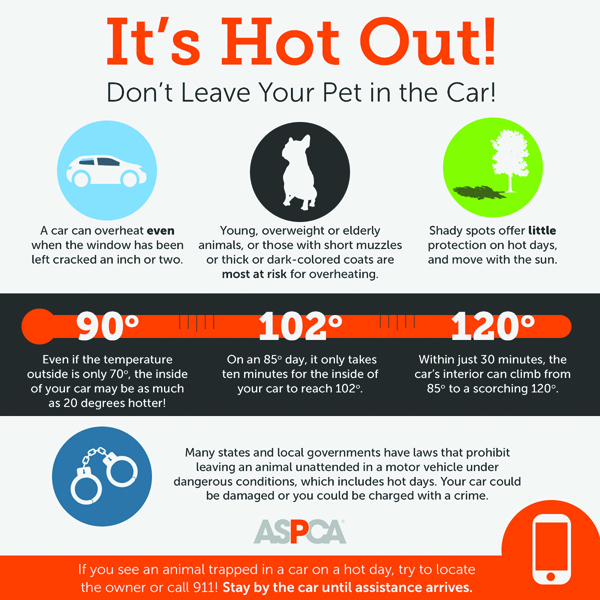
As summer weather in North Texas brings temperatures exceeding 100 degrees, residents are reminded to take precautions, including properly hydrating and staying cool by limiting their exposure to the outdoors heat.
The National Weather Service issues an excessive heat warning when the heat index reaches 105 degrees or higher for at least two hours. The first such warning occurred for much of North Texas Sunday, June 12.
To help make sure residents are aware of the risks associated with extreme heat, Princeton Fire Department Deputy Chief Michael Stiltz said the department posts announcements on Facebook each year to educate residents about heat safety.
Heat-related illness is caused by the body’s inability to cope with prolonged exposure to the heat and examples include sunburn, heatstroke and heat exhaustion.
Symptoms of heat-related illnesses include difficulty concentrating, severe thirst, muscle cramps, heat rash and fainting, said Stiltz.
Stiltz said there are also symptoms to help residents identify heatstroke and heat exhaustion.
Heatstroke symptoms are fatigue, giddiness, nausea, headache, moist skin. Heat exhaustion symptoms include: hot dry skin, confusion, convulsions and eventual loss of consciousness.
Heatstroke is the most severe heat-related illness, according to the Centers for Disease Control, with symptoms including a body temperature of 103 degrees, a fast, strong pulse and hot, dry or damp skin. Residents showing symptoms of heatstroke should be moved to a cooler place and should call 911 immediately.
Stiltz said residents who notice an individual experiencing heat-related illness should err on the side of caution, especially with older residents, and call 911.
For the full story, see the June 23 issue of The Princeton Herald.















0 Comments